Study On Antidepressant Pharmacology Of Traditional Chinese Medicine Cistanche Deserticola
Mar 22, 2023
Depression is the most important type of mental illness in modern people. Common symptoms include long-term depression, reluctance to communicate, lack of interest, and self-denial. In severe cases, extreme worldliness or suicidal tendencies can occur. According to the statistics of the World Health Organization, depression is becoming the second largest killer of human beings after cancer and is expected to become the world's deadliest disease by 2030.

Chinese herb cistanche—Treating depression by tonifying the kidney
Click here to view Cistanche for Kidney disease products
【Ask for more】 Email: xue122522@foxmail.com / Whats App: 0086 18599088692 / Wechat: 18599088692
The pathophysiological mechanism of depression is complex, and existing theories believe that it involves the following aspects: (1) abnormal expression of monoamine neurotransmitters and receptors; (2) Hyperfunction of the hypothalamic-pituitary adrenal axis (HPA axis); (3) The expression of neurotrophic factor (NTF) and nerve growth factor (NGF) decreased; (4) Inflammatory response leads to neuronal damage and changes in conduction pathways; (5) Other factors.
Currently, the clinical treatment of depression is mainly based on chemical drugs combined with psychological counseling. However, long-term use of chemical drugs can lead to adverse reactions and drug resistance. Traditional Chinese medicine has certain advantages for patients with depression who need long-term drug regulation.

What does cistanche do—Treating depression by tonifying the kidney
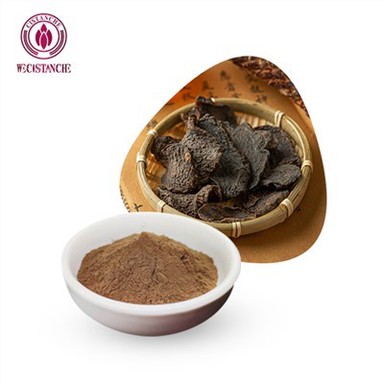
Cistanche deserticola is chinese herb cistanche,know as desert ginseng,a highly used traditional Chinese medicine for tonifying the kidney and yang in past dynasties,and is cistanche safe. It is a parasitic plant that is hosted by desert and desert sand-fixing plants such as Haloxylon and Tamarix. China is one of the countries with a large area of desertification and the most serious harm in the world. Preventing desertification is an important issue that needs to be urgently addressed in China. Planting Cistanche deserticola to drive the planting of sand-fixing plants such as Haloxylon ammo dendron and red willow can not only prevent and fix sand, play a role in controlling the desert and improving the environment in the west, but also drive the local minority people to lift themselves out of poverty and become rich, with comprehensive utilization and industrial development advantages and strong social benefits. Therefore, under the guidance of the traditional efficacy of Cistanche deserticola, an in-depth exploration of its new efficacy and uses has important guiding significance for the large-scale cultivation of Cistanche deserticola and its industrial development.

Desert ginseng—Fresh Cistanche deserticola
"Kidney yang, according to traditional Chinese medicine theory, is the root of yang and the source of power throughout the body"; Deficiency of kidney-yang can lead to disorders in the body's mental awareness, stagnation of qi, and symptoms such as depression, loss of interest, and sentimentality; This is similar to the symptoms of depression in modern medicine, suggesting that traditional kidney yang tonifying drugs Cistanche deserticola ma may have potential antidepressant activity. Professor Li Xiaobo from the School of Pharmacy of Shanghai Jiaotong University has been engaged in research on traditional Chinese medicine and the modernization of traditional Chinese medicine for a long time. After six years of previous research, it has been confirmed that Cistanche deserticola, traditional Chinese medicine for tonifying the kidney and yang, has significant antidepressant activity, but its specific active substances and mechanism of action are still unclear.
This study is the first to identify the total glycosides of Cistanche deserticola (TG) as the material basis of its antidepressant efficacy.

Phenylethanol glycoside is the main active component of Cistanche deserticola
Its phenylethanoid glycosides (mainly including Echinacoside, Acteoside, etc.) and iridoid glycosides (mainly including 8-epirubicin acid, teniposide acid, etc.) can synergistically regulate the hypothalamic pituitary adrenal (HPA) axis, inflammation, neurotransmitter levels, and other multiple links to work together. At the same time, this study further clarifies the key role of intestinal flora in the onset of TG. On the one hand, TG can alleviate the activation of the HPA axis and the level of inflammation by regulating a series of bacteria belonging to the family Erysipelotrichacea, Peptococcaceae, and Muriaculaceae, and inhibit the metabolism of tryptophan and canine to play an antidepressant role; On the other hand, hydroxytyrosol (HT), a product of TG metabolized by intestinal flora, has also been proven to be one of its active substances in vivo. In addition, this study also found that TG can alleviate hypothalamus-pituitary-gonad axis depression and cyclic nucleotide abnormalities in depression-like rats, reflecting the scientific connotation and advantages consistent with the traditional efficacy of Cistanche deserticola in tonifying kidney yang.

Echinoside, the main chemical component of Cistanche deserticola
Therefore, the material basis and mechanism of the antidepressant effect of Cistanche deserticola are explained from multiple perspectives, providing strong support for the application and development of Cistanche deserticola in the treatment of depression, and interpreting traditional Chinese medicine theories with modern medical methods.